Blog
How to Layer Hoodies for Canadian Fall and Winter


Canada’s fall and winter seasons bring changing temperatures, cold winds, rain, snow, and freezing mornings. Choosing the right clothes can make a big difference when you are heading to work, meeting friends, travelling, or enjoying a casual day outside. One of the easiest ways to stay comfortable while looking stylish is to build your outfit around a Sp5der hoodie.
Hoodies are a popular part of modern streetwear because they are comfortable, versatile, and easy to combine with other clothing. Whether you prefer a classic pullover, a zip-up design, or a bold graphic hoodie, the right layers can help you create outfits for different winter conditions.
In this guide, we will explore how to layer hoodies for Canadian fall and winter, which jackets work best, how to choose suitable fabrics, and how to create streetwear outfits without sacrificing comfort.
Why Layering Matters During Canadian Fall and Winter
Canadian weather can change significantly depending on the region. Fall may bring cool mornings and mild afternoons, while winter can introduce freezing temperatures, snow, and strong winds.
Wearing several layers gives you more flexibility than relying on one thick garment. You can remove a jacket when you enter a heated building or add another layer when temperatures drop.
A practical layering system usually includes three parts:
- Base layer: A T-shirt or thermal top that feels comfortable against your skin.
- Middle layer: A hoodie or sweatshirt that provides additional warmth.
- Outer layer: A jacket or coat that helps protect you from wind, rain, or snow.
The best combination depends on the weather, your activity level, and how long you plan to spend outdoors.
Start with a Comfortable Base Layer
The first layer creates the foundation of your outfit. A comfortable T-shirt works well during early fall, while a thermal top may be more useful during colder weather.
Cotton T-shirts are a common choice for everyday outfits. However, if you expect to walk a lot, exercise, or spend extended periods outside in cold conditions, moisture-wicking fabrics can be more practical because they help manage sweat.
Choose a base layer that fits comfortably without bunching up underneath your hoodie. A close but non-restrictive fit generally makes layering easier.
For colder days, a long-sleeve thermal top can provide extra warmth without adding too much bulk.
Choose the Right Hoodie for the Season
Your hoodie is the centre of the outfit, so consider its fabric, fit, and overall design before choosing your layers.
Lightweight Hoodies for Fall
During early fall, a lightweight hoodie may provide enough warmth for cool mornings and evenings. Pair it with jeans, cargo pants, and comfortable sneakers for a simple streetwear outfit.
Neutral colours such as black, grey, cream, and navy are easy to combine with different jackets. Graphic designs can also add personality without requiring many accessories.
Midweight Hoodies for Colder Days
As temperatures drop, a midweight hoodie offers a useful balance between comfort and warmth. It works well under denim jackets, bomber jackets, and some insulated outerwear.
Look for a comfortable fit that leaves enough room for movement. A hoodie that is too tight may feel restrictive, while an excessively oversized design can make layering beneath a fitted jacket difficult.
Graphic Hoodies for Streetwear
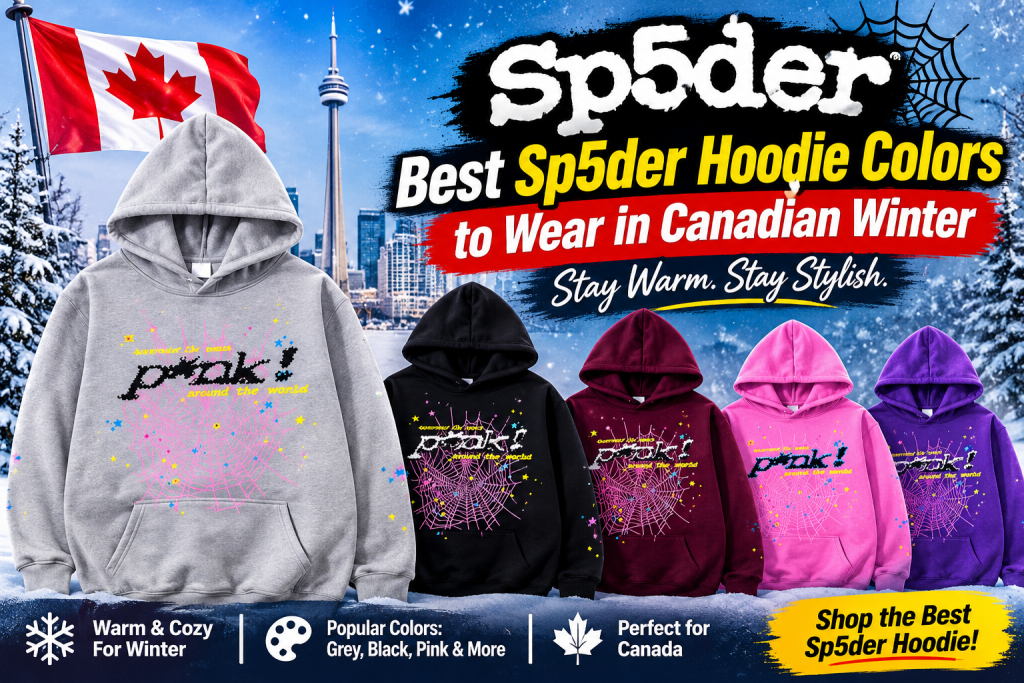
Graphic hoodies can become the main feature of an outfit. If you prefer bold prints and relaxed silhouettes, a Sp5der hoodie can be styled with simple trousers and a clean outer layer.
Keep the rest of the outfit relatively balanced if the hoodie already has a strong graphic design. This creates a coordinated look without making the outfit feel overcrowded.
Add the Right Jacket Over Your Hoodie
The outer layer is particularly important during Canadian fall and winter because it helps protect you from the elements.
Denim Jackets for Mild Fall Weather
A denim jacket is a classic choice for mild autumn days. Wear it over a hoodie with straight-leg jeans or relaxed trousers.
For a balanced look, try contrasting colours, such as a black hoodie with a blue denim jacket. Make sure the jacket has enough room to fit comfortably over your middle layer.
A denim jacket alone may not provide enough protection when temperatures become very low or winds are strong.
Bomber Jackets for Everyday Streetwear
Bomber jackets pair naturally with hoodies because their shapes complement casual and relaxed outfits.
A black bomber jacket, graphic hoodie, cargo pants, and sneakers create a simple streetwear combination. You can choose a lightweight bomber for fall or a properly insulated version for colder conditions.
Check the jacket’s insulation and wind resistance rather than judging warmth by appearance alone.
Puffer Jackets for Winter
When temperatures fall below freezing, an insulated puffer jacket can provide more warmth than a lightweight fashion jacket.
Wear it over a hoodie with warm trousers, gloves, and suitable winter footwear. For snowy or windy conditions, choose outerwear designed for the weather you expect to encounter.
A puffer jacket can also work well with oversized hoodies, provided the combination allows comfortable movement and does not compress the insulation excessively.
Wool Coats for a More Refined Look
If you prefer a smarter casual style, try layering a relatively lightweight hoodie under a roomy wool coat.
Combine the outfit with straight-leg trousers and simple shoes or boots appropriate for the conditions. This look can work for city outings and casual social occasions.
For very cold or wet weather, check whether the coat provides enough insulation and protection.
How to Style a Sp5der Hoodie in Winter
Streetwear can be practical as well as fashionable. The key is to choose clothing that works together in terms of colour, fit, and warmth.
Here are three outfit ideas to try.
Outfit One: Everyday Urban Streetwear
Start with a graphic hoodie, relaxed jeans, and comfortable sneakers. Add a bomber jacket when the weather becomes cooler.
This combination works for casual outings, shopping, and meeting friends. Choose colours that complement one another instead of trying to match every item exactly.
Outfit Two: Relaxed Cargo-Pants Look
Pair your hoodie with cargo pants and a warm puffer jacket. Finish the outfit with weather-appropriate boots or sneakers.
Olive, black, grey, and beige trousers are versatile options. If your hoodie has bright graphics, neutral cargo pants can help balance the overall look.
Outfit Three: Minimal Winter Outfit
Choose a plain or understated hoodie, dark trousers, and a long coat. Add a scarf and warm gloves when necessary.
This outfit is suitable for people who prefer a simple appearance rather than bold graphics. It also makes it easy to reuse the same basics in different combinations.
Choosing the Right Hoodie Fit for Layering
Fit affects both comfort and appearance. Before buying a new hoodie, consider how you intend to wear it.
Regular fit: A good option for everyday layering under most jackets that have enough room.
Oversized fit: Works well with relaxed trousers and roomy outerwear. Check sleeve length and body measurements to avoid unnecessary bulk.
Zip-up hoodie: Useful when you want to adjust your outfit quickly as indoor and outdoor temperatures change.
Pullover hoodie: A classic choice for simple streetwear outfits and layering under jackets with enough space.
If you shop online, check the size chart and compare the garment measurements with a hoodie you already own. Sizing can differ between brands and designs, so do not assume that every medium or large will fit the same way.
Which Fabrics Work Best for Cold Weather?
Different fabrics serve different purposes, and the best choice depends on the conditions.
Cotton is comfortable for everyday casual wear, but it can retain moisture. If cotton becomes wet during cold weather, it may feel uncomfortable and lose much of its insulating usefulness.
Thermal base layers and suitable synthetic fabrics can help manage moisture during active outdoor use. Wool layers can also provide useful warmth, depending on the garment.
For outerwear, look for insulation and weather protection appropriate to your local climate. Waterproof or water-resistant materials can be particularly useful in wet snow and rain, although these terms do not mean exactly the same thing.
The goal is to stay warm without sweating excessively. Too many heavy layers can make walking uncomfortable, so adjust your clothing to your activity and the forecast.
Essential Winter Accessories for Canadian Weather
Accessories can improve both comfort and the appearance of your outfit.
- Beanies: Help keep your head warm in cold conditions.
- Scarves: Provide additional coverage around your neck.
- Gloves: Protect your hands from cold temperatures and wind.
- Warm socks: Help improve comfort inside suitable winter footwear.
- Winter boots: Provide better traction and protection than ordinary fashion sneakers when conditions are icy or snowy.
Choose accessories that complement your hoodie and jacket without restricting movement. During severe cold, exposed skin can become vulnerable, so appropriate protective clothing is more important than appearance alone.
Common Hoodie Layering Mistakes to Avoid
Even a stylish outfit can become uncomfortable if the layers are not suitable for the weather.
Wearing Too Many Bulky Layers
Adding multiple thick garments can restrict movement and make it harder to regulate body temperature. Start with a comfortable base layer, add a hoodie, and choose an outer jacket suited to the conditions.
Ignoring the Weather Forecast
A lightweight hoodie may be enough for a mild autumn afternoon but insufficient during a freezing winter morning. Check the forecast before planning an outfit.
Choosing Style Over Footwear Safety
Ordinary sneakers may not offer adequate grip on ice or packed snow. Choose footwear with suitable traction when winter conditions require it.
Buying the Wrong Size Online
Do not rely only on the model’s appearance or the size label. Check measurements, fabric details, and the retailer’s return policy before ordering.
Forgetting About Indoor Temperatures
Shops, offices, public transport, and homes are often heated during winter. Removable outer layers make it easier to stay comfortable when moving between indoor and outdoor environments.
How to Build a Versatile Winter Streetwear Wardrobe
You do not need a large collection of clothing to create different outfits throughout the season.
Start with a few versatile basics: a comfortable hoodie, a thermal top, neutral trousers, a warm jacket, and suitable winter footwear. Add a graphic hoodie or a statement jacket if you want more variety.
A Sp5der T-shirts can also be useful for milder days or as a base layer under an open jacket. This gives you another way to create streetwear outfits without relying on a heavy hoodie every day.
Before buying something new, consider whether it works with clothes you already own. Versatile pieces can make getting dressed easier and help you manage your clothing budget.
Frequently Asked Questions
Can you wear a hoodie under a winter coat in Canada?
Yes. A hoodie can serve as a middle layer under a winter coat. The right combination depends on the temperature, the coat’s insulation, and your activity level.
What jacket looks best with an oversized hoodie?
Bomber jackets, roomy denim jackets, and puffer jackets can work well with oversized hoodies. Choose a jacket that provides enough room for comfortable movement.
Is a hoodie enough for a Canadian winter?
Not always. During freezing temperatures, wind, or snow, a hoodie generally needs to be combined with appropriate insulated outerwear, warm accessories, and suitable footwear.
How should I choose a hoodie size for layering?
Check the garment measurements and consider the jacket you intend to wear over it. You should be able to move comfortably without excessive tightness or bulk.
Can I wear graphic hoodies throughout the year?
Yes. Lightweight graphic hoodies can work during cooler summer evenings and spring, while midweight options are useful in fall and as part of a winter layering system.